
What it includes
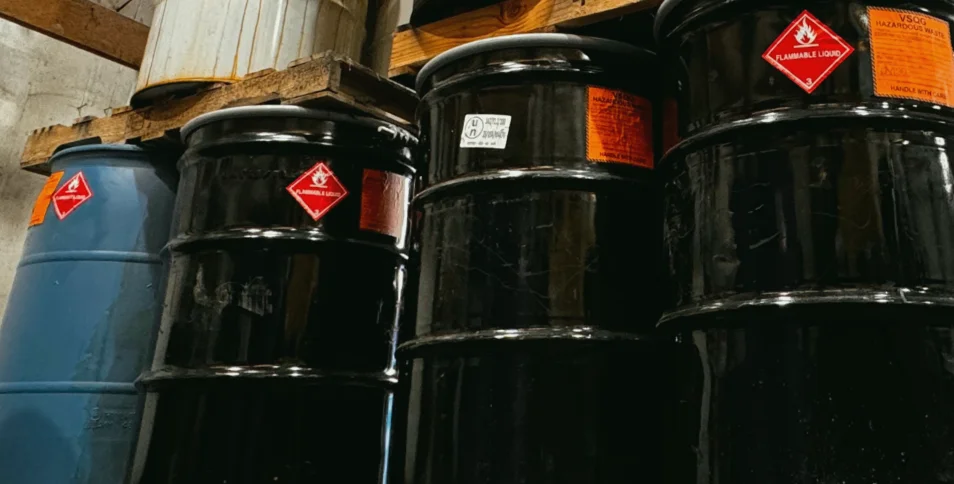
- Review of your waste stream to determine whether fuel blending may be a viable option
- Guidance on what information is needed for acceptance and approval
- Pickup coordination and compliant transportation support
- Documentation support to keep the process traceable and defensible
- Routing to an approved fuel blending pathway once the stream is accepted
- Closeout documentation and support for recurring service planning
What it does not include
- A guaranteed pathway for every combustible material
- Blending of incompatible or non qualifying streams
- General trash hauling or household junk removal
- Unapproved drop offs without required information and acceptance steps
Common outcomes
- A clearer disposal pathway for compatible combustible streams
- Reduced reliance on incineration or landfill options when fuel blending is a fit
- Clean documentation from pickup through closeout
- A repeatable solution for recurring waste streams and repeat pickups
Benefit highlights
- Compatibility review and acceptance guidance up front
- Compliant pickup, transport coordination, and documentation support
- An efficient option for qualifying waste streams
- Service coverage across Washington, Oregon, and Idaho

Compliance risk
Combustible waste streams still require correct classification, documentation, and routing. A proper process reduces audit risk and prevents rejected loads.

Safety risk
Compatibility and handling matter. Incorrect segregation or poor container management can create hazards during storage and transport.

Cost and operational risk
Having the right disposal pathway helps prevent delays, rejected shipments, and unplanned costs. For recurring streams, a stable path can support better forecasting.

Proper handling matters
When fuel blending is a fit, it supports sustainability goals while keeping disposal compliant and organized from pickup through closeout.
Initial review
You share what the material is, how it is generated, quantities, and packaging details.
Acceptance and approval
We confirm what information is required and coordinate the approval process for the fuel blending pathway.
Preparation guidance
We provide clear guidance on packaging, labeling, and segregation expectations prior to pickup.
Scheduling and pickup
Once approved, we coordinate pickup timing that fits your facility.
Transportation and documentation
We coordinate compliant transport and the required paperwork to keep the chain of custody clear.
Fuel blending and waste to energy routing
Approved waste streams are routed into the appropriate fuel blending pathway.
Closeout and repeat planning
You receive clear closeout documentation and we can support recurring pickup schedules for repeat streams.
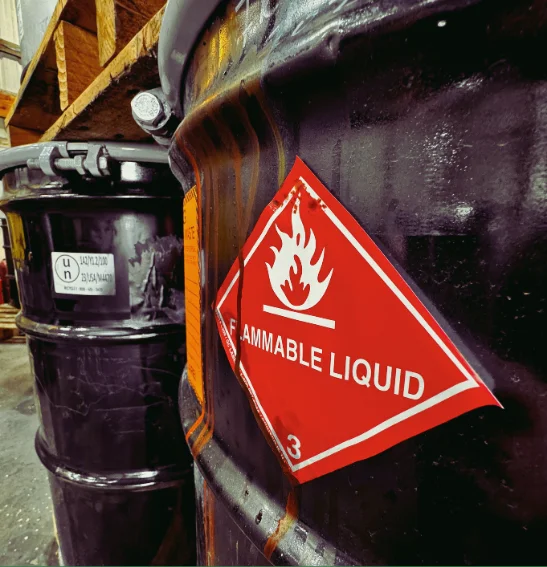
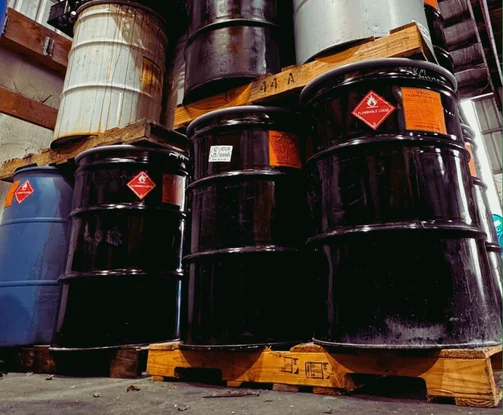
Fuel blending is a disposal method where compatible combustible waste streams are blended into a specification fuel for approved industrial use, supporting waste to energy outcomes when appropriate.
No. Each stream must be evaluated and approved. Compatibility, stream characteristics, and receiving facility requirements determine acceptance.
Yes, when the waste stream is properly characterized, approved, transported with correct documentation, and routed to an approved pathway.
Yes. We coordinate pickup and transportation as part of the program, including documentation support.
When a waste stream qualifies, fuel blending can support sustainability goals by using the energy value of compatible waste rather than relying only on traditional disposal routes.
Start with a description of the waste stream, quantities, container types, and your timeline. If information is limited, we will guide the next best step.