
What it includes
- Waste stream review and next step guidance
- Support completing waste profile paperwork
- Coordination of approval steps tied to routing and acceptance requirements
- Clear preparation guidance to prevent delays at pickup
- Alignment of documentation with disposal, treatment, recycling, recovery, or destruction pathways
- Support for recurring pickup programs once a profile is established
What it does not include
- Guessing at waste classification without best available information
- Scheduling pickups before required approvals are in place
- General junk removal or municipal trash hauling
Common outcomes
- Faster scheduling once approvals are complete
- Fewer rejected loads and fewer day of pickup issues
- Cleaner documentation for internal records and compliance expectations
- A repeatable process for recurring pickups and repeat waste streams
Benefit highlights
- Clear guidance on what information is needed and why
- Documentation and approvals handled early to prevent delays
- Better predictability for pickup scheduling and project planning
- Support for ongoing programs, not only one time moves

Compliance risk
Incorrect or incomplete profiles can create documentation issues, routing errors, and audit risk.

Safety risk
Mischaracterized waste streams can lead to compatibility problems, improper handling, and exposure risks.

Cost and operational risk
A delayed approval can stall a pickup, create storage pressure, and cause a project schedule to slip.

Proper handling matters
When profiling is done correctly up front, transportation and disposal is cleaner, faster, and easier to document from start through closeout.
Initial review
You share what you have, how it is generated, and what timing you are working with.
Profile information gathering
We confirm what information is needed to complete the waste profile and align it to the correct pathway.
Profile paperwork completion
We complete and manage the waste profile paperwork so it is accurate and submission ready.
Approvals and acceptance
We manage the approval steps required to route the waste stream for disposal or treatment.
Scheduling and pickup planning
Once approvals are in place, we coordinate scheduling and pickup logistics so the move stays smooth.
Repeat service planning
If the waste stream is recurring, the approved profile becomes the foundation for consistent pickups and predictable scheduling.
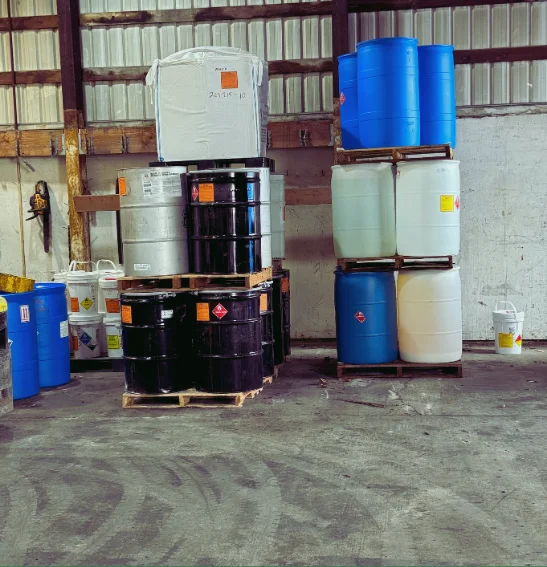
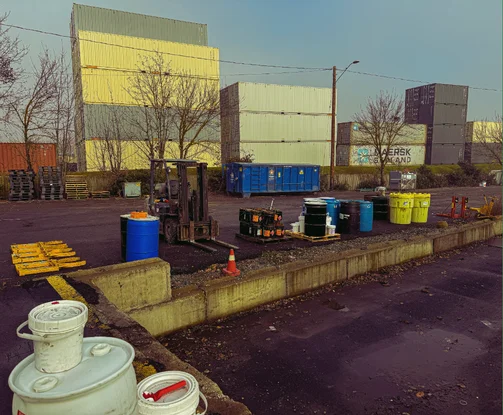
A waste profile documents what the waste is, how it is generated, and what handling and routing requirements apply. It is used to secure acceptance and approvals so the waste can be transported and disposed of correctly.
Not always. Many recurring waste streams can use an established profile. If the stream changes, quantities change significantly, or details are unclear, profiling may need to be updated.
Timing varies based on the waste stream and what information is available. The best way to protect your schedule is to begin profiling early and provide best available information up front.
Yes. We will start with best available information and guide you through what is needed next, which may include documentation review or sampling and analysis.
Yes. Accurate profiles and approvals reduce the risk of rejected loads, delays, and day of pickup issues.
A description of the waste stream, estimated quantities, container types, pickup location, and your timeline. If you have safety data sheets or prior characterization data, include it.